
The Nature of Luck in Gambling
The concept of luck holds a significant place in the realm of gambling, especially in casinos. Many players enter these establishments with the hope that fortune will favor them, believing that a stroke of luck can lead to substantial wins, particularly when trying out games at neosurf casino australia . This belief is often reinforced by personal anecdotes and stories of others who have experienced unexpected victories. However, it is crucial to analyze what “luck” truly means within the context of casino games, which are heavily influenced by odds and probabilities. The idea of luck can evoke excitement and hope, but it also requires a more nuanced understanding of its role in gambling.
Luck is frequently perceived as a random force that can sway outcomes in one’s favor, relying heavily on chance rather than skill. In games like slots and roulette, for instance, the outcome is determined by random number generators and spinning wheels, which ensure a level of unpredictability. Players may feel that their decisions can influence the outcome, but ultimately, the results are out of their control and hinged solely on luck. This contradiction invites a deeper exploration of how players perceive luck versus the mathematical realities of casino games. Acknowledging this disconnect can help players approach their gambling experiences with greater clarity.
Moreover, many gamblers develop rituals or superstitions, convinced that certain actions can invoke good luck. From wearing lucky clothing to choosing specific times to play, these behaviors highlight the psychological aspect of luck. While such rituals provide comfort and a sense of control, they have no real impact on the actual odds of winning. Understanding this dynamic can help players approach gambling more responsibly and with a clearer perspective on their chances of success, ultimately promoting a healthier relationship with gaming. By recognizing the limitations of luck, players can focus more on informed decision-making and reduce reliance on chance.
The Psychological Impact of Luck on Players
The psychological influence of luck on players cannot be overstated. When gamblers win, they often attribute their success to luck, reinforcing the belief that it plays a vital role in gambling outcomes. This perception can lead to what psychologists call the “illusion of control,” where gamblers believe they can influence random events through sheer will or strategy. This mindset can not only deepen their attachment to gambling but also shape their overall behavior when playing, leading to both positive and negative consequences. The emotional highs of winning can create a powerful feedback loop that keeps players engaged, even when the odds are not in their favor.
Conversely, when players experience losses, they may blame bad luck, which can trigger negative emotions and even a downward spiral of gambling. This reaction highlights the double-edged sword of luck: while it can provide temporary joy and excitement, it also has the potential to foster frustration and despair. Players may struggle to accept that their losses are equally random, often resulting in an escalation of play in hopes of reclaiming their losses. Such emotional responses can cloud judgment and lead to poor decision-making, illustrating the complex relationship between luck and gambling. Recognizing these patterns can help players manage their expectations and emotional responses more effectively.
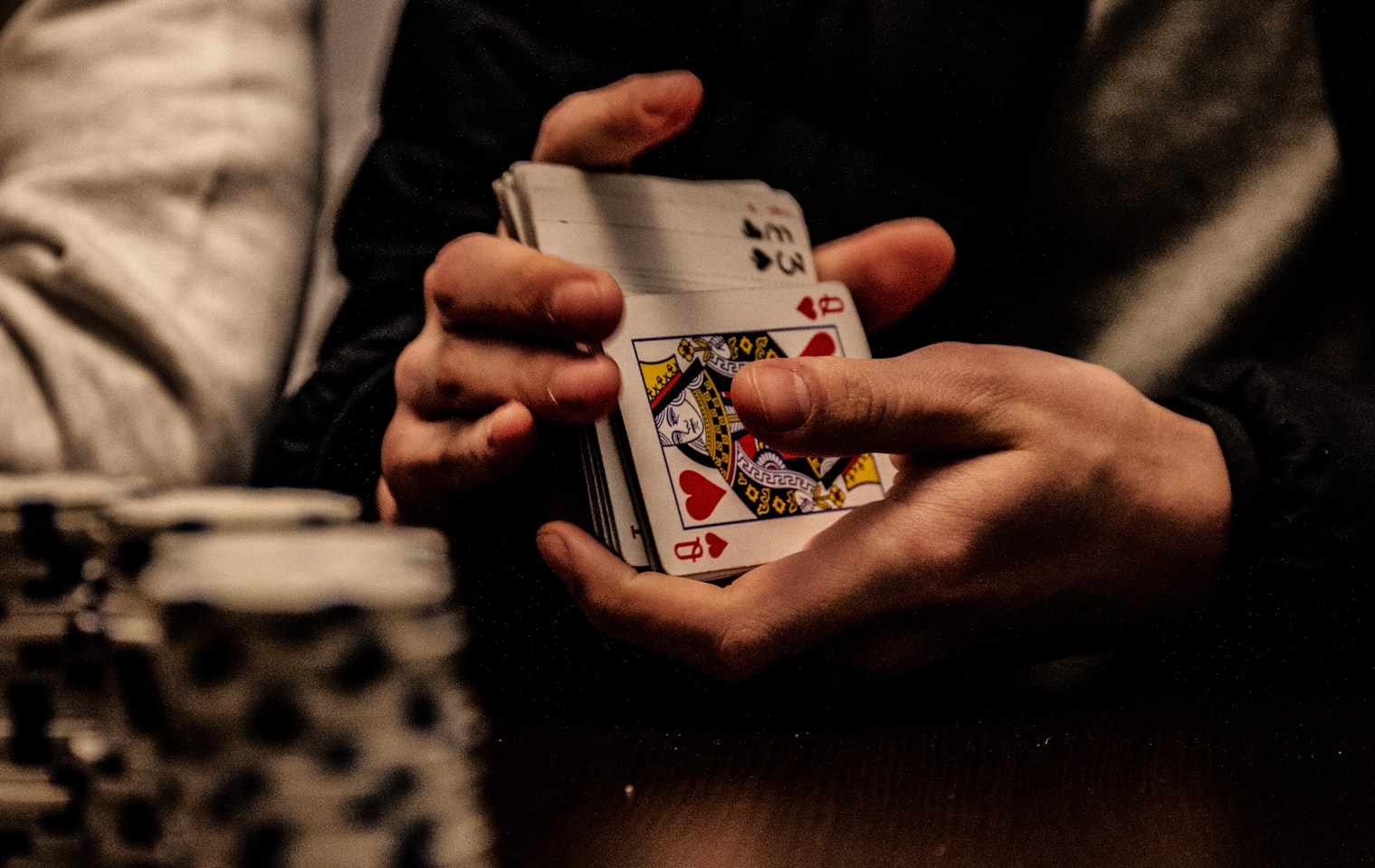
Understanding the psychological aspects of luck in gambling can empower players to make informed choices. By recognizing the role of chance, they may become more aware of their behaviors and motivations while at the tables or machines. Educating oneself about the odds and mechanics of games can help mitigate the mental traps associated with luck and promote healthier gambling habits. This knowledge encourages a realistic approach, enabling players to enjoy the thrill of the experience without becoming overly dependent on the idea of luck. Ultimately, a balanced perspective on luck can enhance the overall gambling experience and lead to more responsible play.
Statistical Odds Versus Luck in Casino Games
In every casino game, there exists a fundamental principle: the house always has an edge. This means that while luck might influence individual outcomes in the short term, the long-term results are dictated by statistical probabilities. For example, in games like blackjack, players can enhance their chances by employing strategies, but the inherent odds still favor the casino. Understanding these odds is crucial in evaluating the role of luck versus skill in gambling and can greatly affect how players approach their gaming experience. A clear grasp of the statistical landscape allows players to set realistic expectations for their gameplay.
Slots, for instance, operate entirely on luck, as they rely on random number generators that ensure each spin is independent of the last. The chances of hitting the jackpot are minuscule, illustrating that while players may encounter short bursts of success, luck is not a reliable predictor of future wins. Similar observations can be made for games such as baccarat and roulette, where, despite fluctuating outcomes, the house advantage remains consistent and predictably favorable for the casino over time. Recognizing this reality can help players maintain realistic expectations and avoid the pitfalls of chasing losses in hopes of a lucky streak.
It is important for gamblers to adopt a mindset that combines luck with a practical understanding of odds. This dual approach allows players to enjoy the thrill of potentially winning while remaining grounded in the realities of their game choices. Acknowledging that luck may play a role in isolated events can free players from the misconception that it is a primary factor in overall success. Balancing excitement with informed decision-making is key to navigating the gambling landscape effectively. This understanding fosters a more enjoyable experience, as players can appreciate the entertainment value of gaming without placing undue emphasis on luck.
The Role of Skill in Gambling
While luck undeniably plays a significant role in determining the outcomes of casino games, skill also has its place—particularly in games where strategy and decision-making come into play. For example, poker is a game where player skill can dramatically influence results. Experienced players understand the odds and can read their opponents, allowing for calculated decisions that can lead to consistent winnings over time, rather than relying solely on luck as their primary asset. This highlights the importance of skill development and strategic thinking in competitive environments.
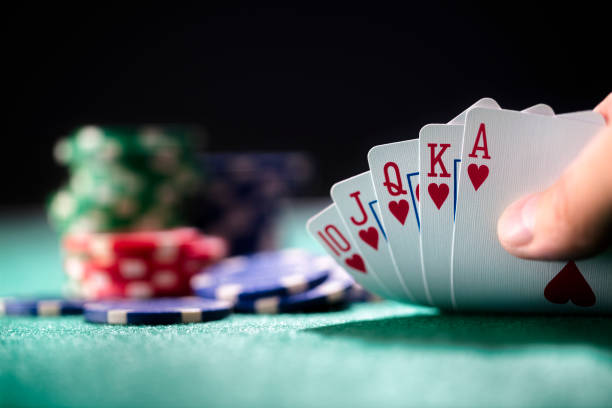
In contrast, games such as slots or roulette offer no skill component since outcomes are purely random. In these cases, the element of chance reigns supreme. Even though players may come away with a win, it is essential to remember that these results do not correlate with skillful play. Such distinctions emphasize the necessity of understanding which games offer opportunities for skill development and which are entirely based on luck, thus helping players make informed choices that align with their gaming preferences. Recognizing this difference can lead to a more strategic approach to gambling.
Combining luck with skill can lead to a more rewarding gambling experience. Players who understand the mechanics of their chosen games and incorporate strategy alongside their play can navigate the gambling landscape with improved chances of success. This blend allows for a more mindful approach to gambling, where luck is acknowledged but not relied upon as the sole factor in achieving wins. By recognizing the interplay between skill and luck, players can enhance their overall enjoyment and satisfaction while gambling. A balanced appreciation for both elements can lead to a more fulfilling gaming journey.
Your Journey with Luck and Gambling
Embarking on a journey through the world of gambling is exciting and filled with lessons about luck, skill, and strategy. By recognizing the nuances of how luck operates within games, players can approach their experiences with greater awareness and intention. Understanding that while luck can influence individual outcomes, the house edge and statistical probabilities ultimately govern the gambling landscape is vital for a balanced perspective that fosters responsible play. This awareness can help players cultivate a more enjoyable gambling experience rooted in realistic expectations.
Players seeking to enhance their gambling experiences should focus on education—learning the odds, understanding game mechanics, and developing strategies where applicable. This knowledge not only empowers them but also fosters a sense of control over their gambling activities. With this approach, players can enjoy the excitement of the games without falling into the traps of superstition or reliance on luck alone, creating a more enjoyable and fulfilling gambling experience. Education becomes a powerful tool for making informed decisions and enjoying the thrill of chance responsibly.
In summary, luck does indeed play a role in casino wins, but it is crucial to recognize it within the broader context of chance and strategy. By cultivating a responsible gambling mindset that incorporates understanding, players can enhance their experiences, enjoy the thrill of chance, and make informed choices that lead to more enjoyable and sustainable gambling adventures. Embracing both luck and skill allows players to navigate the vibrant world of casinos with confidence and enjoyment. This balanced approach enriches the overall gambling experience, transforming it into a journey of discovery and entertainment.
 French
 English